

In today’s digital age, your brand’s visibility doesn’t end at the top of search engine results—it extends into Google’s Knowledge Graph, a powerful semantic network that helps search engines understand the context and relationships of entities (like businesses, people, and concepts). If your brand isn’t a part of this web of interconnected data, you’re missing out on significant SEO benefits and authority signals.
This blog explores the concept of brand entity SEO, why being well-connected in the Google Knowledge Graph is essential, and how to utilize the Google Knowledge Graph Search API to improve your brand’s semantic presence. Whether you’re a startup or an established company, optimizing your brand as an entity is the next big step in SEO.
What Is Brand Entity SEO?
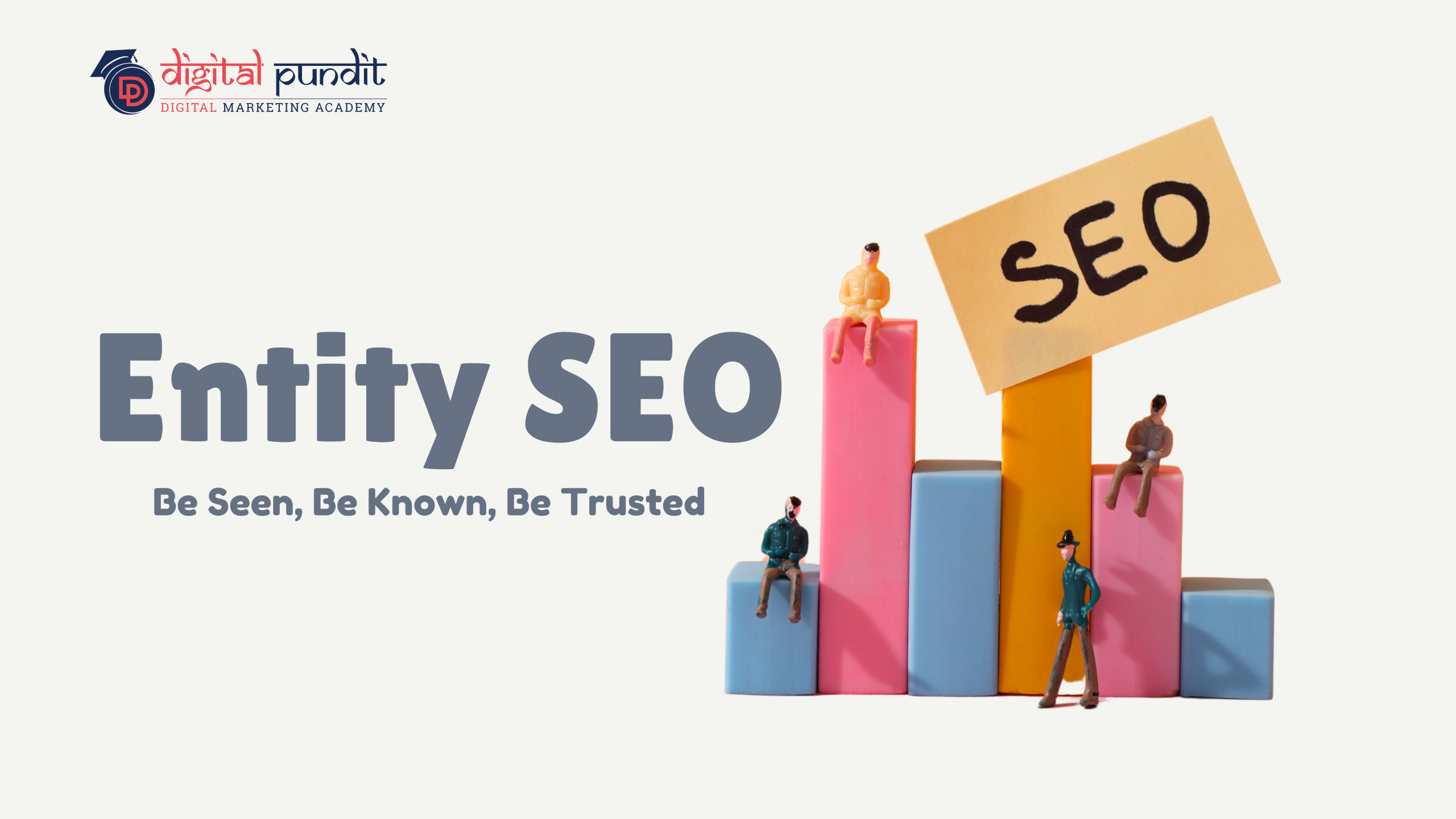
Brand Entity SEO is the practice of optimizing your brand so that search engines recognize it as a distinct entity and link it to relevant concepts and topics within the Knowledge Graph. Unlike traditional SEO that focuses on keywords, backlinks, and content, entity SEO is about clarity, credibility, and context. Learn seo course in ahmedabad is very important to understand knowledge panel graph.
The goal is to have your brand appear in a Knowledge Panel—the box on the right-hand side of Google search that showcases verified and structured information about entities.
What Is the Knowledge Graph?
Google’s Knowledge Graph is a database that understands facts about people, places, and things—and how these entities are connected. It powers features like:
-
Knowledge Panels
-
Featured snippets
-
“People Also Search For”
-
Voice search results
By becoming part of the Knowledge Graph, your brand can enjoy improved visibility, credibility, and click-through rates.
Why a Well-Connected Brand Entity Matters
1. Improved Search Presence
A brand listed in the Knowledge Graph gains more real estate on Google’s SERP through a Knowledge Panel or related entity mentions.
2. Semantic Authority
Search engines trust entities that are connected to authoritative data points. This improves your content’s ranking signals and relevance.
3. Voice Search Optimization
Voice assistants rely heavily on structured data from the Knowledge Graph. Having your brand listed improves your chances of being the voice answer.
4. Brand Protection
Claiming and optimizing your Knowledge Panel helps prevent misinformation and gives you control over your brand narrative.
The Role of Google’s Knowledge Graph Search API
The Knowledge Graph Search API lets developers query the Knowledge Graph for entities that match certain criteria, such as a brand name. It provides structured data about an entity, including:
-
Entity type (Person, Organization, Place, etc.)
-
Description and relevance score
-
URLs to official websites and social profiles
-
Images and thumbnails
-
Wikipedia references (if applicable)
This API is a tool you can use to discover how your brand is currently viewed within the Knowledge Graph and build connections that enhance your presence.
How to Check if Your Brand Is in the Knowledge Graph
Use this simple method:
-
Go to Google and search your brand name.
-
If a Knowledge Panel appears on the right, you’re already in the Graph.
-
For deeper analysis, use the Knowledge Graph Search API via the Google Cloud Console.
Sample API request:
This returns JSON-formatted information about the entity “Digital Pundit”, if it exists in the Knowledge Graph.
Steps to Get Your Brand into the Knowledge Graph
1. Establish Entity Identity with Structured Data
Use Schema.org markup to define your brand. Include:
-
@type: Organization -
name -
url -
logo -
sameAs(links to social profiles and Wikipedia)
This helps Google understand that your brand is a real-world entity.
2. Create a Strong Wikipedia or Wikidata Presence
Wikipedia and Wikidata are major data sources for the Knowledge Graph. If your brand qualifies:
-
Get a well-cited Wikipedia article
-
Create or update a Wikidata entry with relevant links and entity types
3. Claim Your Google Knowledge Panel
If a panel already exists, claim it via Google Search Console or the “Claim this knowledge panel” button. Verified owners can edit details like logo, social links, and more.
4. Use Google My Business (Now Google Business Profile)
Ensure your brand has a verified business profile. This is a stepping stone to appearing in local panels and later the global Knowledge Graph.
5. Link All Digital Profiles Consistently
Maintain consistent information across:
-
Website
-
Social media
-
Directory listings
-
Author pages
-
Press mentions
Consistency strengthens your entity’s credibility.
How to Use the Knowledge Graph Search API for SEO Insights
Here’s what you can do with the API:
✔️ Audit Your Brand Entity
Run queries on your brand and analyze the returned entities, types, and descriptions.
✔️ Benchmark Competitors
Check how your competitors appear in the Knowledge Graph. Learn from the structure and connections they have.
✔️ Identify Connection Opportunities
Use the returned data to identify missing relationships, such as:
-
Missing Wikipedia links
-
Social profiles not linked
-
Unoptimized schema
✔️ Content Strategy Alignment
The API provides type classification (e.g., Organization, Brand). This can guide your content development to reinforce entity types and related topics.
Brand Mentions and Backlinks Still Matter
Entity-based SEO doesn’t replace traditional SEO—it enhances it. Ensure your brand is mentioned contextually across authoritative platforms, news outlets, and blogs. These mentions help Google understand how your brand connects to various topics and industries.
How Digital Pundit Can Help You Become a Recognized Entity
If you’re looking to level up your SEO efforts using entity-based strategies, Digital Pundit is your go-to solution. As a leading digital marketing institute in Ahmedabad, Digital Pundit not only teaches traditional and AI-powered SEO techniques but also offers specialized training in semantic search optimization, Knowledge Graph optimization, and entity SEO.
With expert-led courses, real-time projects, and industry-relevant case studies, Digital Pundit ensures you’re prepared for the future of search. Whether you’re a student, entrepreneur, or working professional, learning how to build a brand entity the right way will give you a sustainable SEO advantage.
Advanced Tips to Build a Well-Connected Brand Entity
🧠 Leverage AI Content
Use AI tools to generate structured, consistent, and entity-rich content. This helps in scaling your entity footprint across multiple topics.
🔗 Interlink Strategically
Internal linking between entity-relevant pages on your site creates a semantic web that search engines love.
📊 Track Entity Signals
Use tools like InLinks, WordLift, or Kalicube Pro to monitor your brand’s entity signals and relationships.
🗣️ Engage in Thought Leadership
Participate in podcasts, write guest posts, and get cited by other entities. All of these build your semantic authority.
Common Mistakes to Avoid
-
❌ Not using Schema.org markup or using it incorrectly
-
❌ Inconsistent brand information across platforms
-
❌ Ignoring entity mentions in third-party websites
-
❌ Not claiming your Knowledge Panel
-
❌ Over-focusing on keywords without contextual entities
Conclusion: Future-Proof Your SEO with Brand Entity Optimization
Search is changing rapidly. Google is moving from strings to things—from keywords to entities. By building a strong and well-connected presence in the Knowledge Graph, you’re future-proofing your brand’s visibility across all digital touchpoints.
Using tools like the Knowledge Graph Search API, combined with best practices in schema markup and brand consistency, will elevate your digital footprint significantly. And if you’re looking to learn or implement these strategies hands-on, Digital Pundit provides cutting-edge digital marketing training that integrates entity SEO, AI tools, and advanced search strategies. learn complete digital marketing course in vadaj ahmedabad for more information.