
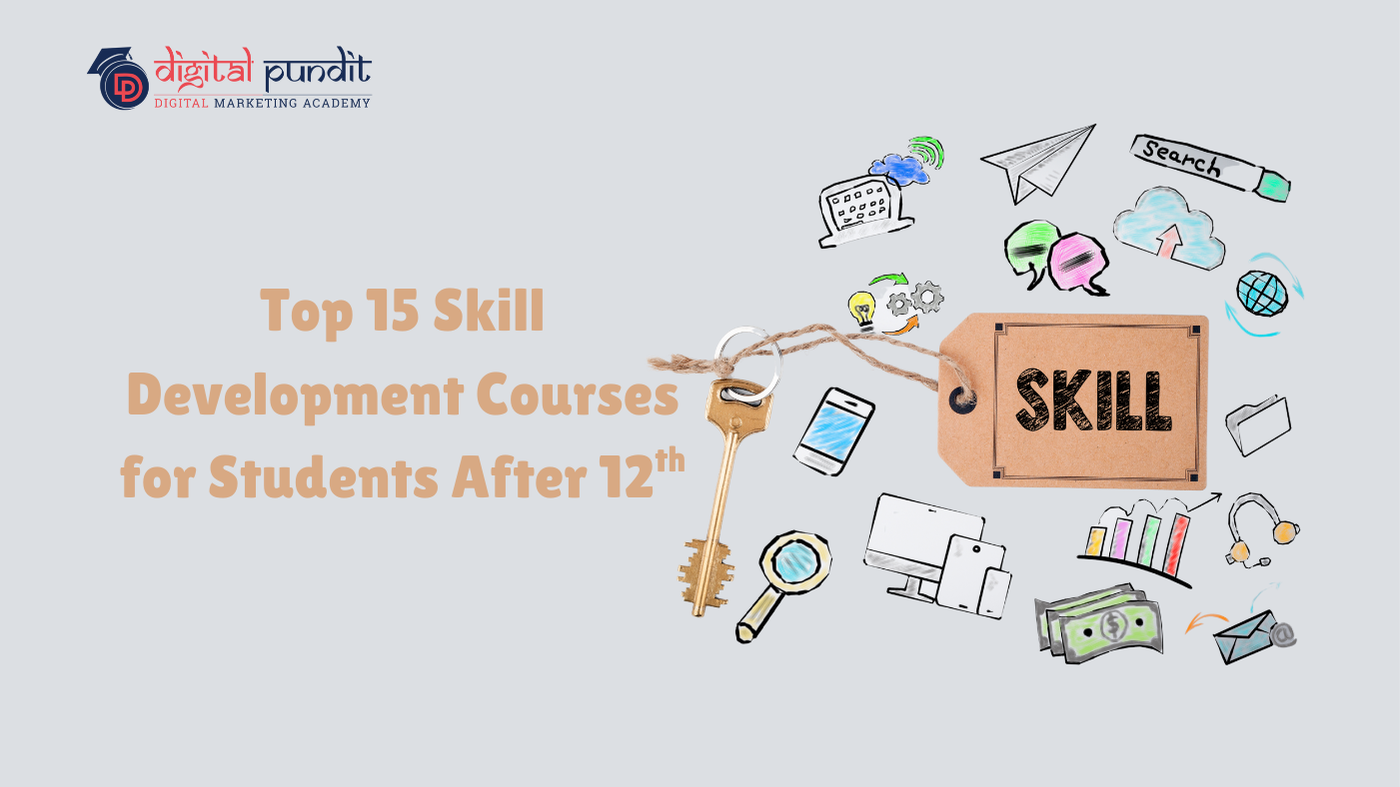
Completing 12th grade marks a pivotal moment in every student’s life. It’s not just about finishing school; it’s about choosing a path that will shape your future. Traditionally, students have leaned toward degrees in engineering, medicine, or commerce. While these degrees are valuable, the current job market has shifted; employers no longer want theoretical knowledge. They want practical, industry-ready skills that can make a real impact from day one.
This is where skill development courses after 12th come in. Unlike traditional degrees, these courses equip students with hands-on expertise, real-world experience, and certifications that make them job-ready and competitive in the workforce. Whether your goal is to start earning early, freelance globally, or even launch your own business, skill-based learning can give you a significant head start.
In this blog, we’ll dive deep into why skill development matters, the benefits over traditional degrees, how it boosts career prospects, the top 15 courses you can take, and why Digital Pundit is the right place to start your journey.
Why Skill Development is Important After 12th
Here’s the thing: finishing 12th is just the beginning. The choices you make now define how quickly you can achieve career success. Traditional degrees have long been seen as the “safe” route, but they come with limitations:
- Time-Consuming – Most degrees take 3–5 years. During this time, the market and technology can evolve, leaving graduates with outdated skills.
- Theory-Focused – Universities often prioritize conceptual understanding over practical application. Students might graduate with knowledge but no real-world experience.
- High Competition – Millions of graduates enter the job market every year. Without additional skills, standing out is tough.
On the other hand, skill development courses are designed to bridge the gap between education and employability.
Real-World Benefits of Early Skill Learning
- Immediate Employability – Skill courses focus on tools, software, and techniques that companies actually use. This means you can start working soon after completing the course.
- Entrepreneurial Edge – Whether it’s a small e-commerce business, freelance design projects, or a digital marketing agency, skill-based learning empowers you to start your own venture.
- Adaptability – Industries are evolving fast. By acquiring skills early, you can pivot to new roles or emerging industries without starting from scratch.
- Confidence Boost – When you know how to apply your knowledge practically, you walk into interviews, client meetings, or business pitches with confidence.
Case Study: Rahul, a student who completed 12th in science, opted for a digital marketing course instead of immediately pursuing a B.Tech. Within six months, he was managing social media campaigns for small businesses, earning his first 30k/month as a freelancer. Today, he runs his own digital marketing agency with multiple clients.
Benefits of Skill-Based Courses Over Traditional Degrees
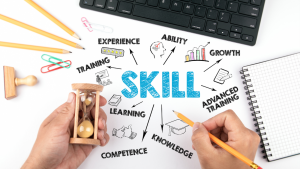
Skill-based courses have several advantages that make them ideal for students after 12th:
- Faster Career Growth
Traditional degrees take years. In contrast, skill courses can be completed in 3–12 months. This allows students to start earning, building portfolios, and gaining experience much sooner.
- Practical Learning
Instead of just reading textbooks, students work on live projects, case studies, and simulations. This ensures that when they step into the professional world, they already know how to deliver results.
- High Demand in the Job Market
Companies actively seek candidates who can contribute from day one. Skills like digital marketing, web development, data analytics, and AI are in high demand globally. A certification in these areas often gives candidates a competitive edge.
- Cost-Effective Education
Degree programs can be expensive. Skill courses, on the other hand, are affordable and provide a better return on investment. Many institutes also offer scholarships or EMI options to ease financial burdens.
- Flexibility
Online, offline, and hybrid learning options mean students can learn at their own pace. You can balance learning with other activities, like part-time work or internships, giving you practical exposure along the way.
How Skill Development Enhances Career Opportunities
Investing in skills can change the trajectory of your career in multiple ways:
- Higher Employability – Skilled professionals are in demand across industries, making it easier to secure jobs with attractive packages.
- Career Switch Options – Want to move from finance to tech? Learning digital skills, programming, or data analytics allows seamless transitions.
- Freelancing & Remote Work – Digital skills open doors to global freelancing platforms. You can work from anywhere and earn in international currency.
- Entrepreneurship Opportunities – Skills like content creation, app development, and digital marketing allow you to launch your own venture.
- Continuous Learning & Growth – Skill-based learning encourages lifelong growth, ensuring you stay relevant in evolving industries.
How to Choose the Right Skill Development Course After 12th
Choosing the right course is critical. Here’s a structured approach:
- Identify Your Interests – Ask yourself: What do I enjoy? Technology, marketing, design, or business?
- Research Industry Demand – Look at emerging trends. Skills like AI, cybersecurity, and digital marketing are in high demand.
- Check Course Duration & Fees – Decide whether you want a short-term certification or a full diploma program.
- Verify Certification Value – Ensure the course provides recognized certificates that employers trust.
- Consider Placement & Internship Support – Real-world experience matters more than just theory.
Pro Tip: Balance passion with demand. A course aligned with your interests but also high in market demand is the ideal choice.
Top 15 Skill Development Courses After 12th
Let’s break down the top courses, their tools, benefits, and career opportunities:
- Digital Marketing
Digital marketing is indispensable in today’s internet-driven world. Businesses of all sizes need online visibility, creating a huge demand for skilled marketers.
Tools & Skills Learned: SEO, SEM, social media marketing, email campaigns, Google Analytics, content marketing, paid advertising.
Benefits: Quick learning, high demand, freelancing opportunities, affordable, versatile across industries.
Career Options: SEO Specialist, Social Media Manager, Content Marketer, PPC Expert, Digital Marketing Strategist.
- Web Development & Designing
Web development powers every business website, e-commerce platform, and app interface.
Tools & Skills Learned: HTML, CSS, JavaScript, React, Angular, WordPress, Python, PHP, UI/UX design.
Career Opportunities: Front-End Developer, Back-End Developer, Full-Stack Developer, UI/UX Designer, WordPress Developer.
Benefit: High demand across IT companies, startups, and digital agencies. Freelance and entrepreneurial opportunities abound.
- Graphic Designing
Businesses need visual content for branding, social media, and marketing campaigns.
Tools & Skills Learned: Adobe Photoshop, Illustrator, InDesign, CorelDRAW, Canva, Figma.
Career Options: Graphic Designer, UI/UX Designer, Illustrator, Motion Graphics Designer, Art Director.
Benefit: Creative, high-demand field with freelancing and full-time options.
- Data Science & Analytics
Data drives decisions across industries, from healthcare to finance to marketing.
Tools & Skills Learned: Python, R, SQL, Tableau, Power BI, and machine learning basics.
Career Options: Data Analyst, Data Scientist, Business Intelligence Analyst, Machine Learning Engineer, Big Data Engineer.
Benefit: High-paying, global demand, future-proof career.
- Artificial Intelligence & Machine Learning
AI/ML is revolutionizing industries. Skills in AI can position you for tech-driven roles globally.
Tools & Skills Learned: Neural networks, Python, TensorFlow, natural language processing, and computer vision.
Career Opportunities: AI Engineer, ML Engineer, Robotics Engineer, AI Research Scientist, Data Scientist.
Benefit: Rapidly growing demand, high salaries, and global opportunities.
- Cybersecurity & Ethical Hacking
Cyber threats are increasing, making security professionals essential.
Tools & Skills Learned: Network security, penetration testing, ethical hacking tools, firewalls, malware analysis.
Career Opportunities: Ethical Hacker, Cybersecurity Analyst, Penetration Tester, Incident Responder, Network Security Engineer.
Benefit: High-paying, secure career with global opportunities.
- Content Writing & Copywriting
Businesses need compelling content to engage audiences and sell products.
Skills Learned: SEO writing, copywriting, social media content, blogging, scriptwriting, and email marketing.
Career Opportunities: Content Writer, Copywriter, SEO Specialist, Blogger, Social Media Content Creator.
Benefit: Remote work, freelancing, creative career with growth potential.
- Video Editing & Animation
Video content dominates social media and entertainment.
Tools & Skills Learned: Adobe Premiere Pro, Final Cut Pro, After Effects, Blender, Maya.
Career Opportunities: Video Editor, Motion Graphics Designer, 3D Animator, YouTube Content Creator.
Benefit: Creative, high-paying, freelancing, and full-time options.
- Mobile App Development
Smartphone apps drive almost all digital activity today.
Skills Learned: Android (Java/Kotlin), iOS (Swift), cross-platform tools, UI/UX for mobile apps.
Career Opportunities: Android Developer, iOS Developer, Full-Stack Mobile Developer, Game Developer, UI/UX Designer.
Benefit: Tech career with global demand and freelance opportunities.
- Financial Accounting & Investment
Understanding finance is crucial for businesses and personal growth.
Skills Learned: Financial accounting, taxation, investment planning, stock market basics, and wealth management.
Career Opportunities: Financial Analyst, Investment Banker, Chartered Accountant, Wealth Manager, Tax Consultant.
Benefit: High-paying, stable career, entrepreneurship opportunities.
- Interior Designing
Interior design combines creativity and practical problem-solving.
Skills Learned: AutoCAD, 3D visualization, space planning, color theory, and material selection.
Career Opportunities: Residential/Commercial Interior Designer, Set Designer, Furniture Designer, Freelance Consultant.
Benefit: Creative career, high demand in real estate, corporate, and hospitality sectors.
- Photography & Videography
Visual storytelling is a booming industry.
Skills Learned: Camera settings, lighting, composition, editing software (Lightroom, Photoshop, Premiere Pro).
Career Opportunities: Photographer, Videographer, YouTube Content Creator, Event Photographer, Media Professional.
Benefit: Creative, freelancing, and full-time roles with global reach.
- Foreign Language Courses
Global business demands multilingual professionals.
Languages: French, Spanish, German, Mandarin, Japanese.
Career Opportunities: Translator, Interpreter, Language Trainer, Diplomat, Corporate Communication.
Benefit: High demand in international trade, travel, diplomacy, and multinational corporations.
- Digital Entrepreneurship
Build your own business using online tools.
Skills Learned: E-commerce, social media marketing, website management, dropshipping, and SEO.
Career Opportunities: E-commerce entrepreneur, Digital Consultant, Online Coach, Freelance Business Owner.
Benefit: Financial independence, global audience, scalable career.
- Cloud Computing & IT Skills
Cloud computing powers modern IT infrastructure.
Skills Learned: AWS, Azure, DevOps basics, server management, and virtualization.
Career Opportunities: Cloud Engineer, DevOps Engineer, IT Consultant, System Administrator.
Benefit: High demand, global remote opportunities, tech-driven career.
Freelancing vs. Full-Time Jobs
One of the biggest advantages of skill-based courses is flexibility.
Freelancing:
- Work from anywhere
- Set your own rates
- Build multiple clients and projects
- Perfect for designers, writers, video editors, and marketers
Full-Time Jobs:
- Stability and structured growth
- Steady income
- Opportunities for promotions and benefits
- Preferred for cybersecurity, AI, finance, and data science roles
Many professionals start freelancing while learning and transition into full-time or continue both.
Conclusion
The world is changing faster than ever. Relying only on traditional degrees is no longer enough. Skill development courses after 12th offer hands-on expertise, global opportunities, and career flexibility.
Whether your goal is to freelance, secure a high-paying job, or launch your own business, skill-based learning gives you a clear path to success. Starting early not only builds confidence but also sets you apart in a competitive market.
At Digital Pundit, we focus on practical training, live projects, and mentorship to ensure that students not only learn but also apply their skills in the real world. The sooner you invest in skill development, the brighter your future will be.
Take the first step today. Build skills, secure your career, and shape your future with Digital Pundit.
Best Courses After 12th Commerce: Complete Guide to Career Options & Skill Development - digitalpundit
2 Sep, 2025[…] this blog, we’ll explore a complete list of courses after 12th commerce, discuss which ones are considered the best, and highlight some good career options you can start […]
8+ Top Courses after 12th Arts in 2026: A Complete Guide to Building a Successful Career
8 Sep, 2025[…] this blog, we’ll explore a complete list of courses after 12th Arts, discuss which ones are considered the best, and highlight some good career options you can […]
Why Digital Marketing Is the #1 Career Move After 12th in 2026 - digitalpundit
20 Dec, 2025[…] Choosing a career after 12th is no longer about following a fixed path. The old playbook engineering, medicine, or a generic degree doesn’t fit everyone anymore. Here’s the thing: the job market in 2026 is driven by skills, adaptability, and real-world impact. That’s exactly why digital marketing has emerged as the #1 career move for students right after 12th. […]